
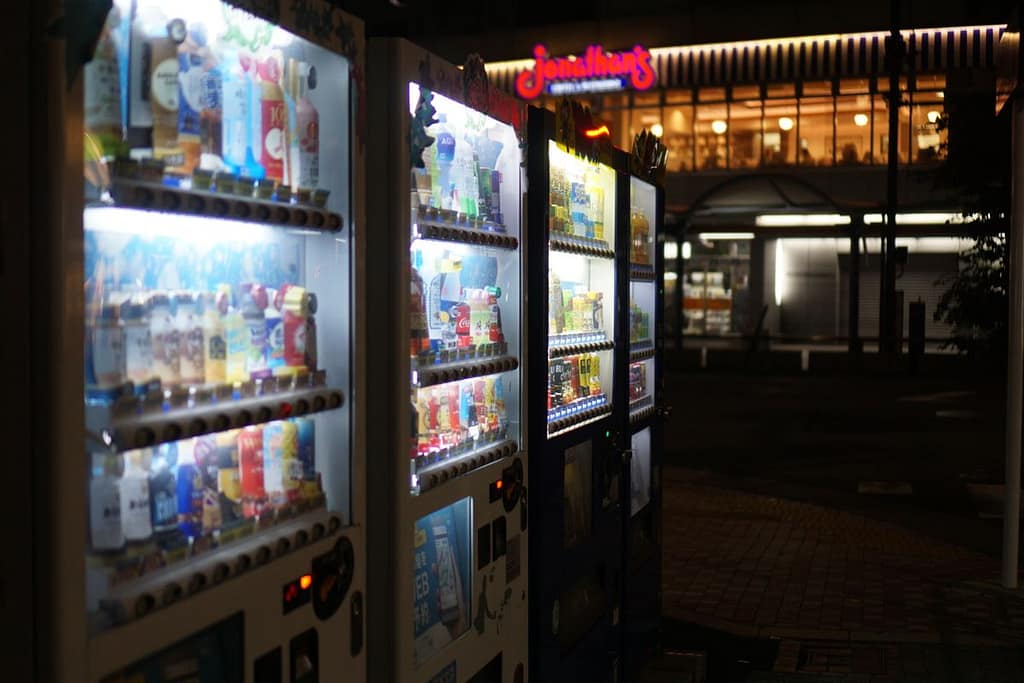
The vending machine sitting in a break room today looks a lot like the one that was there twenty years ago. Same general footprint, same basic function. But what’s happening inside — and what the operator knows about it — is almost unrecognizable by comparison. In 2026, smart vending isn’t about chasing futuristic features. It’s about using IoT and AI to run a vending business with fewer wasted visits, fewer stockouts, and fewer surprises. For Texas operators evaluating whether to upgrade, the question isn’t really “smart vs. traditional.” It’s whether your current locations and revenue volume justify the investment.
Forest Cole Langston, founder of Blue Line Vending of Texas, thinks about it exactly that way — practically, not theoretically.
What Actually Separates Smart Machines from Traditional Ones
A traditional vending machine is a mechanical dispenser. It takes payment, delivers a product, and that’s the end of its communication with you. Operators restock on fixed schedules without real inventory data, miss out on cashless transactions, and find out about equipment failures only after revenue is already lost.
A smart machine adds four critical layers on top of that basic function: embedded sensors, wireless connectivity, local processing capability, and cloud-connected software that sends and receives data in real time. Every sale, every failed transaction, every shelf-level stock count is recorded, timestamped, and transmitted to a cloud dashboard that an operator can check from a smartphone on the other side of the city.
The practical result is that one person can manage a much larger fleet without adding headcount — because the machine tells you what it needs before you make the trip.
The Numbers Behind the Upgrade
Cashless payments deliver 37% higher average transaction values — $2.24 versus $1.78 cash — and 71% of vending machine sales in 2024 were already cashless, with 77% of those being tap-to-pay. Operators still running cash-only machines aren’t just missing convenience — they’re missing a meaningful share of revenue on every single transaction.
On the operational side, AI-powered machines automate inventory tracking, forecast demand, and cut operating costs by up to 40%. Predictive maintenance algorithms that monitor compressor vibration and temperature fluctuations can anticipate hardware failures before they occur, reducing machine downtime by an estimated 40%.
The cost difference is real though. Traditional machines run $2,500 to $10,000 for new units, while smart machines with touchscreens and remote management run $10,000 to $30,000 or more. Entry-level smart machines with cashless payment and basic telemetry start around $3,000 to $6,000 — a much more accessible starting point for operators who want the core benefits without the premium price tag.
When the Upgrade Makes Sense — and When It Doesn’t
Oversizing a machine for a low-traffic spot is a common and costly mistake. A high-capacity smart machine placed in a 20-person office generates the same revenue as a basic model at double the cost.
The upgrade math works when your locations generate consistent, high-volume traffic — hospitals, manufacturing plants, large office campuses, gyms. In those environments, the efficiency gains from real-time inventory tracking, reduced service trips, and cashless conversion improvements pay for the premium equipment relatively quickly. In a low-traffic placement, the technology advantage is wasted.
If you don’t have reliable cashless payments, that’s the first upgrade. It increases conversion and makes modern locations happier. Telemetry comes next — it helps you prioritize which machines need attention and which ones are stable. A smart machine without clean reporting is just an expensive cabinet.
Forest’s Take on Evaluating the Decision
Forest Cole Langston approaches this the same way he approaches every business decision — start with the fundamentals before spending on technology. If your locations are strong and your routes are generating consistent revenue, the investment in smart equipment has a clear return. If you’re still building your route and validating placements, a reliable traditional machine or an entry-level cashless unit gets you started without overcommitting capital.
The upgrade order matters too. Cashless payment capability first. Telemetry and inventory tracking next. AI-driven analytics and dynamic pricing after that — once you have enough location data to actually use them. Build the foundation, then layer in the technology as the business supports it. That’s how Blue Line Vending of Texas approaches it, and it’s the same framework Forest recommends to any operator serious about building a route that scales.